
Representation of mental health issues within video games is a big responsibility. Gaming the Mind is committed to supporting game developers in addressing these topics, and this includes the developers of tomorrow!
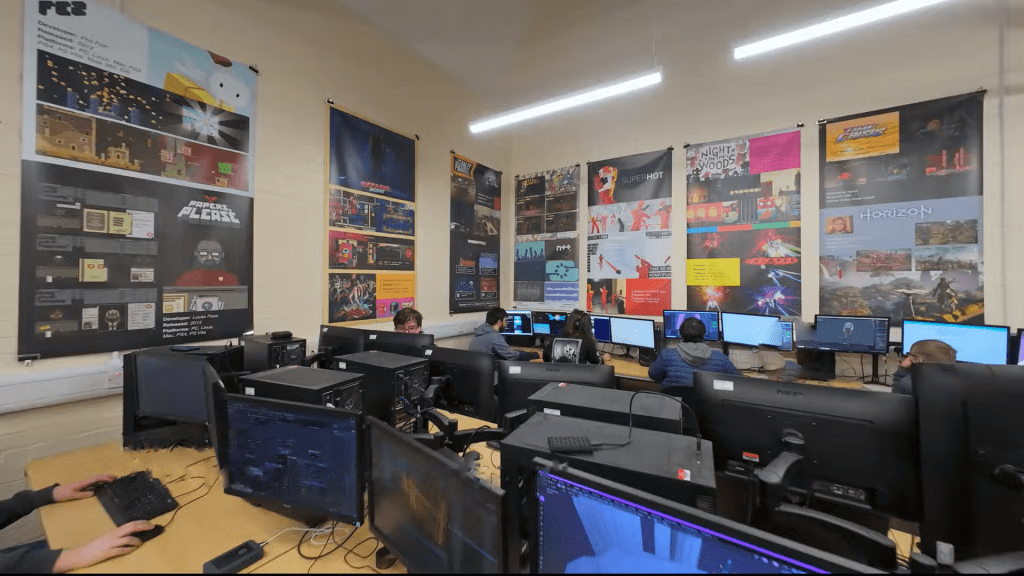
Recently, Gaming the Mind’s Atheeshaan Arumuham visited students at West Suffolk College, delivering a talk as part of the school’s Games Design and Development course. The session provided a space to discuss mental health in gaming, aiming to equip students with knowledge and awareness as they explore these themes in their own projects.
The talk offered students a deep dive into the complex relationship between video games and mental health, covering both the representation of mental health in video games and the psychological impacts of gaming. Given that the students had been tasked with designing a video game based on the theme of mental health, the talk provided valuable insights to help shape their creative decisions.
Why Mental Health in Gaming Matters
Video games have long explored mental health themes, sometimes with nuance and sensitivity, but other times reinforcing harmful stereotypes. Classic and modern titles alike have portrayed characters experiencing conditions such as depression, PTSD, and schizophrenia—sometimes as misunderstood villains, other times as protagonists on deeply personal journeys. More recently, the industry has seen a rise in games that aim to destigmatize mental health issues. Any mental health portrayal comes with important questions for developers about the messages they wish to convey.
“We support the creative freedom of developers to make the games they want to make,” said Gaming the Mind’s Atheeshaan. “The purpose of the talk was not to dictate how mental health should be portrayed in the students’ projects, but to help them consider the issues involved, so they can make informed decisions.”
A Valuable Learning Experience for Future Developers
For the students, the talk provided valuable insights that could influence their creative work. Ollie Brock, Course Director, reflected on the session’s impact: “This knowledge has given the students an excellent foundation to build upon during their ongoing investigations. It encouraged them to be conscientious in how they approach representing mental health in their projects.”
Beyond the classroom, the session sparked lively discussions and brainstorming. “The opportunity for the students to learn about the topic from a medical professional was invaluable,” Ollie added. “The talk spurred on some very creative projects.”
By engaging in these discussions, students are better equipped to create games that not only entertain but also educate and inspire.
With ongoing conversations like these, the future of gaming is becoming even more inclusive, thoughtful, and mindful of mental health considerations.


 Gaming the Mind
Leave a comment